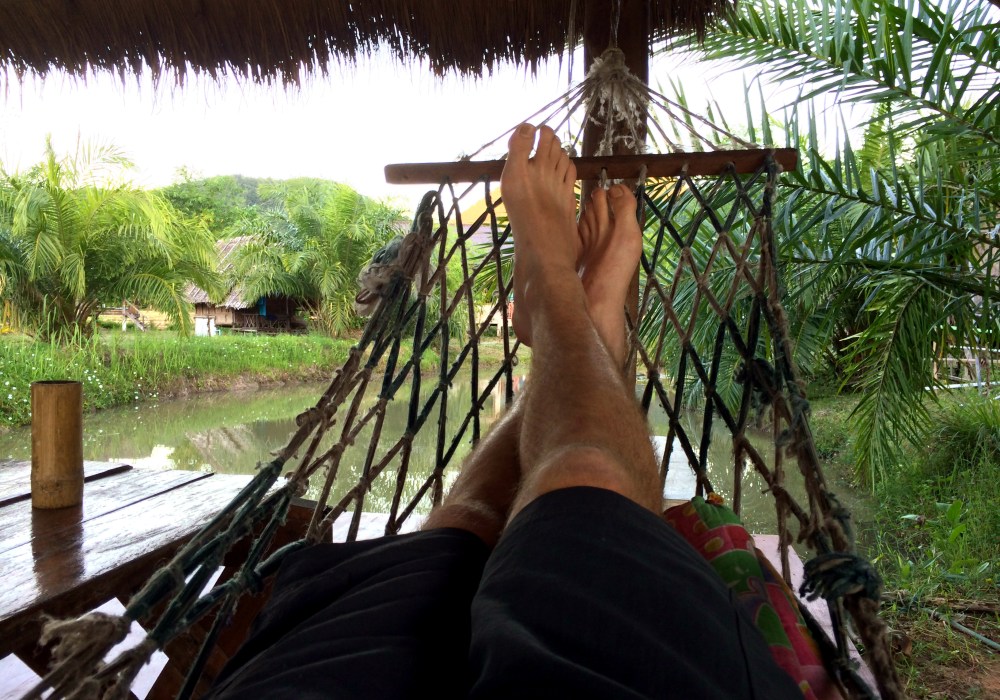
Traveling Slow in Pai
When it comes to traveling responsibly, slow travel often tops the list of suggestions. What is slow travel? Think opposite that checklist mentality so many take in venturing out to explore the world. It’s stopping to spend more than just a couple of days in each destination. It’s slowing down to really learn and appreciate each place you visit. It’s finding your own favorite spots removed from the tourist circuit. If you’re looking for a true cultural experience, this is the way to do it.
I know, I know. Not everyone has the liberty of taking months off to go see the world. Not everyone can plop down in a place they find homey and just decide to stay a while. For most, it takes planning. It also takes a degree of open-mindedness, and a somewhat open schedule. But all of these things are pretty easily attainable when you allow yourself the freedom. They can all be procured with a little bit of initiative, and a little bit of faith. Read More
 mindfuljester.com