The Unfortunate Consequences of Travel: Reverse Culture Shock & How to Deal With It

Originally published on Elephant Journal. Find it here.

Culture shock: the mythical state of adjustment most travelers never want to admit they’re experiencing.

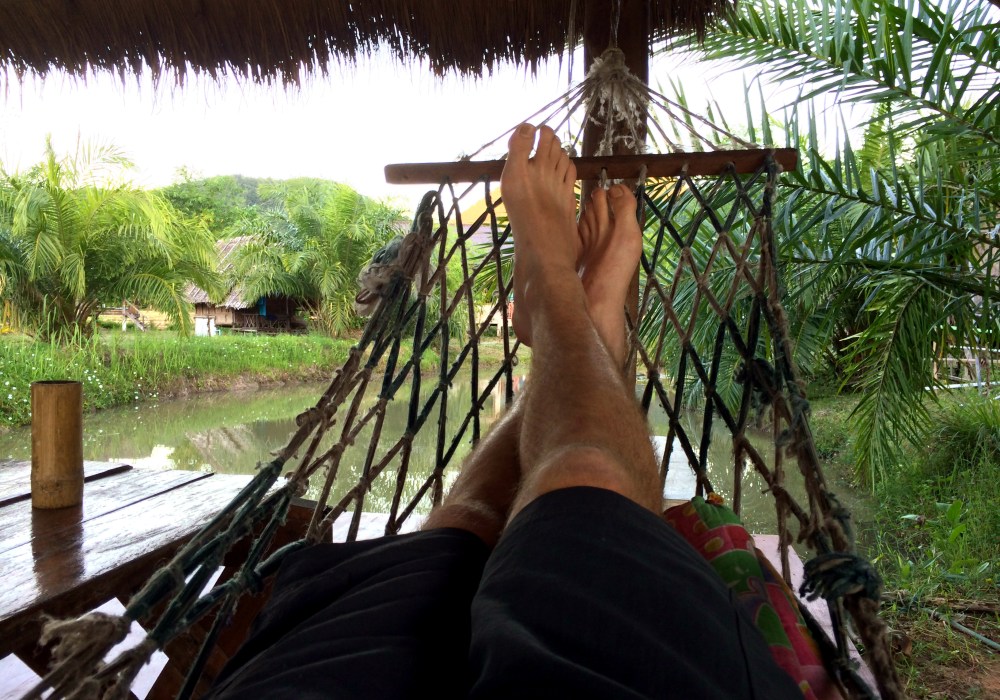
“It’s just jet lag,” we say. Or, “my stomach is still getting used to the food.” So easily written off. So frivolously downgraded.

And don’t even mention returning home, to a place we already know. There’s hardly a chance for contention.

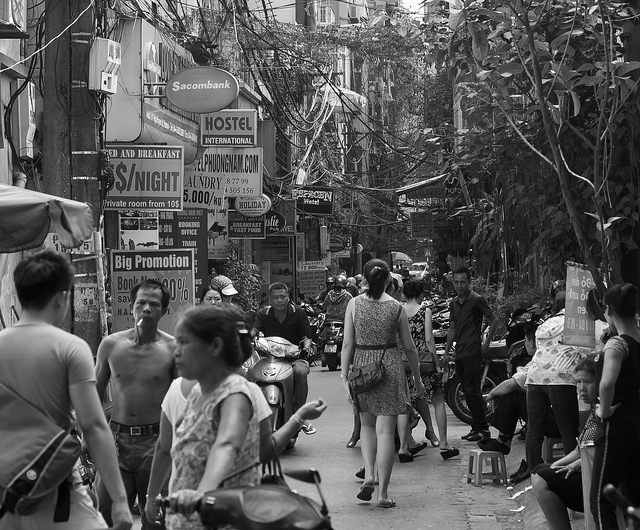
At least, there wasn’t for me. After spending seven months abroad, I wasn’t ready for the rigid strangeness of it all. Streetlights telling me when to cross. Passer-bys rarely gifting me a glance, much less a smile. Everything seemed to be moving so fast, and yet it all felt so confined. And I felt confined inside of it.

Travel is a transformational process best characterized by opening ourselves up to staggering newness and then trying to flow with it as best we can.

We constantly meet so many personalities and encounter so many ways that are so completely and mind-bogglingly different than our own, that it’s natural to get swept into a paradigm of moment-seizing and transience. After all, this is the essence of travel.

And after living for so long in such perpetual flux, it’s not easy transitioning back to the comparatively stable life we lived before. It may look as it once did, but it just doesn’t feel the same. Something is different.

Remember, it’s not just a place that we’re transitioning back to, it’s a lifestyle. And we’ve changed.

Here are four of the most prominent things I confronted upon returning home after my time on the road, along with some humble suggestions on how to turn these obstacles into opportunities to integrate all that we’ve learned along the way. Read More
The Red Road

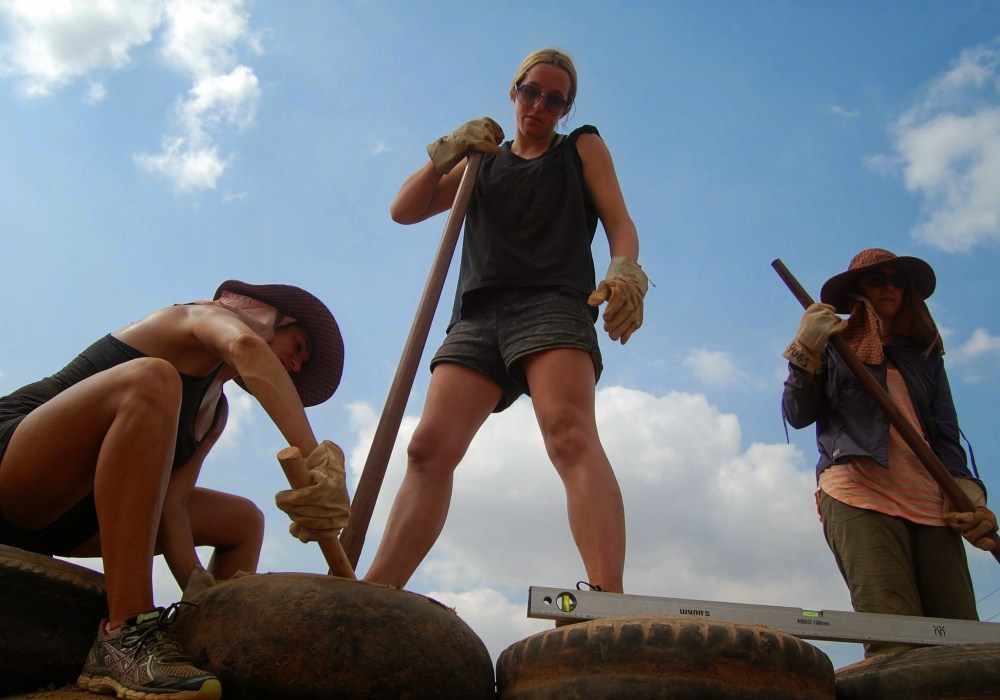
It’s always refreshing to meet people who have the tenacity to do what most only talk about. Back in February, I spent two weeks building a school in rural Cambodia with a group called The Red Road Foundation. They bring that quote to mind – you know, the one you hear all the time and probably disregard – about being the change you want to see happen. As far as I could tell, they’ve become that change. And for those few weeks, they allowed 20-something other volunteers to become it, too.

The concept: An ‘earthship’ school, built out of sustainable and recycled materials. Something of an educational sanctuary for one targeted community nearly an hour outside of Kampot. There, youth and adults alike will be taught a variety of subjects – in both Khmer and English – which extend beyond the classroom, onto the adjoining farm, and into the realm of personal and communal development. Read More

Cooking for Community: A Day with Harmoneat (Yangon, Myanmar)

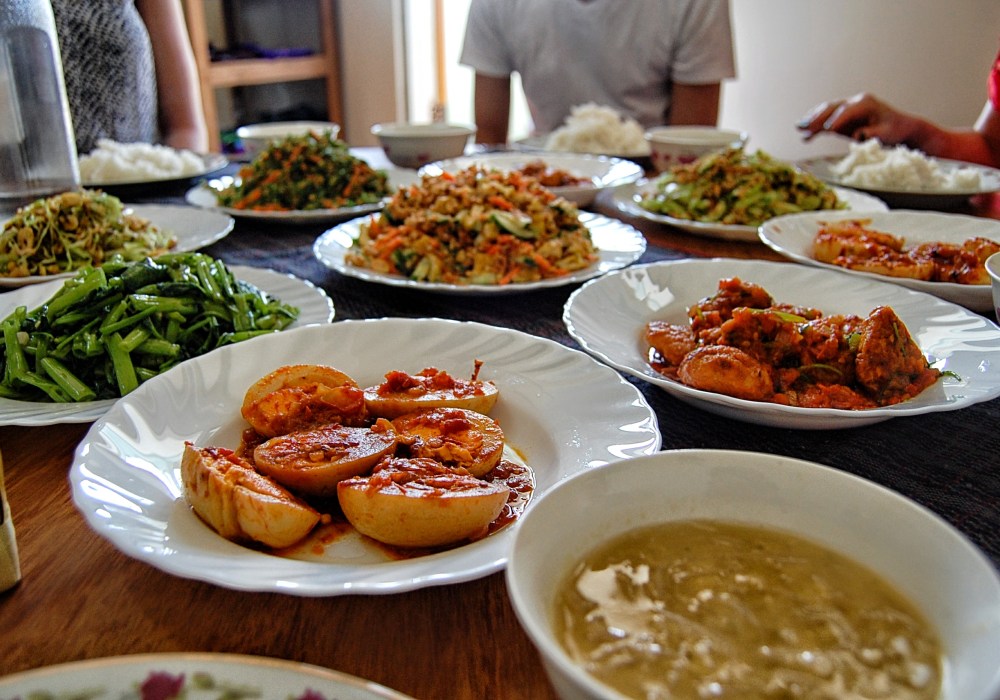
It’s a simple idea, a social initiative with the vision of building communities united by commonality rather than divided by difference. Their name is Harmoneat, and they operate under the pretense that food is as good a medium of change as anything else. They have only been operating for three months, and have aspirations of starting Myanmar’s first network of socially engaged food trucks. Just last week I got the chance to do food with them – Myanmar food – to see what this community building thing is all about.

It was a full course day, starting with a guided walk through the market, going on to feature some chopping, some frying, and why not, a few dashes of this or that, all culminating in an expansive feast of dishes from regions far and wide. But perhaps what stuck most is that all was complemented with plenty of stimulating conversation on the side. Food was made, bonds were formed, said food was eaten, and I sure felt better about my knowledge of ethnic Myanmar. Read More

Traveling Slow in Pai

When it comes to traveling responsibly, slow travel often tops the list of suggestions. What is slow travel? Think opposite that checklist mentality so many take in venturing out to explore the world. It’s stopping to spend more than just a couple of days in each destination. It’s slowing down to really learn and appreciate each place you visit. It’s finding your own favorite spots removed from the tourist circuit. If you’re looking for a true cultural experience, this is the way to do it.

I know, I know. Not everyone has the liberty of taking months off to go see the world. Not everyone can plop down in a place they find homey and just decide to stay a while. For most, it takes planning. It also takes a degree of open-mindedness, and a somewhat open schedule. But all of these things are pretty easily attainable when you allow yourself the freedom. They can all be procured with a little bit of initiative, and a little bit of faith. Read More

Omeliah

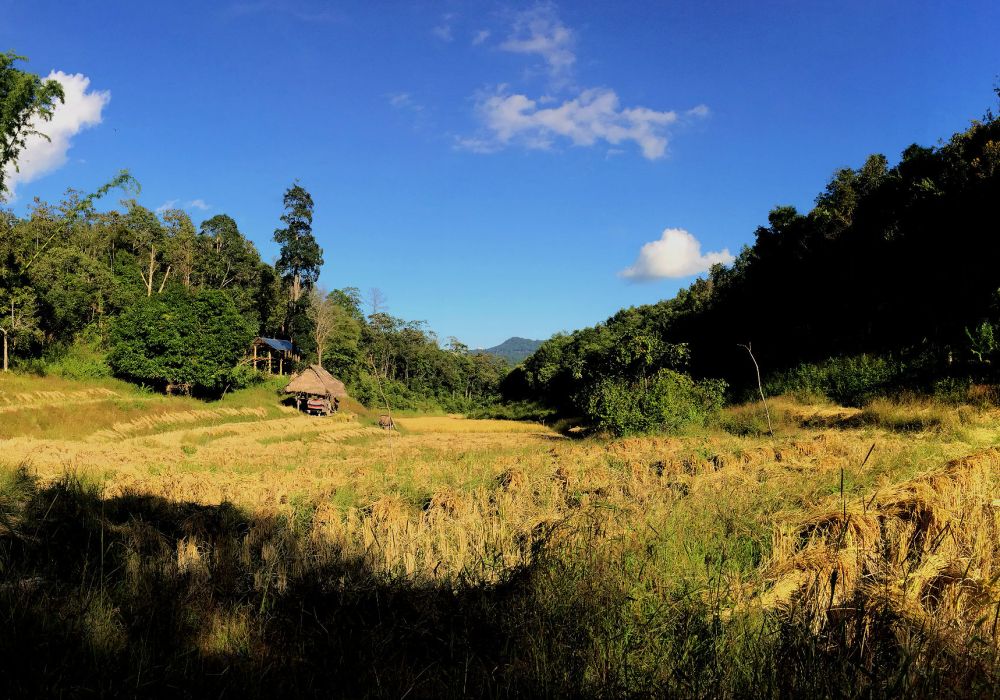
“Omeliah,” Papa said to us as we strolled up to the rice paddy kitchen, a leaf-covered bamboo pavilion that holds all the essential cooking supplies, a fire pit, and even a reserve of blankets and pillows for midday rests. These are the trademark home-away-from-homes for the Karen people, erected at any rice paddy a family owns – an arrival at which marks an end to one’s typical hike from town to work site.

Translated literally, ‘omeliah’ means ‘have you eaten rice?’ Translated loosely, the phrase becomes a more general ‘have you eaten anything?’ It is one of those common cultural nuances that makes sense among the many hill tribes of northern Thailand, wherein rice is the staple of sustenance. Among the Karen, this is also as close as I could get to discerning any type of greeting. From what I could tell, their live’s are all so fluently entwined that there is simply no use for the word hello. Read More

The Hills of Their Past

The clouds hang low over the grinning mountain that tells us we are headed west. A hazy cityscape spreads herself before our eyes, drowning in the smog that turns thick into cloud as the gaze shifts up. At first the mountain looks weakened by this haze. But the mountain is fierce. The mountain is prominent. The mountain rises from the clouds and never ceases to smile in its navigational duty to the citizens and travelers below. We are headed down the throat of this mountain.

In Chiang Mai, it is not uncommon for temples or stupas to rise from thin air. They occupy venerated plots of land next to contemporary hotels and even louder tourist traps, their aged brick and intricate gold trim allowing curious juxtaposition to the unacquainted wanderer. With originations dating back centuries, the youngest more than double the United States in age, and infinitely in wisdom. Much of what they have seen has been lost to the depths of history, taken to the ground with conquerors and visitors long come and gone. So it is the hills that hold the truest stories of time. Read More